Upholstered furniture plays a central role in modern interior design, combining comfort, functionality, and aesthetic appeal. From sofas and armchairs to headboards and dining chairs, upholstered pieces are found in almost every home, office, and hospitality space. The term “upholstered” refers to furniture that is padded, cushioned, and covered with fabric, leather, or synthetic materials to enhance comfort and appearance.
Over the years, upholstered furniture has evolved from traditional handcrafted designs to highly advanced, machine-produced, and customizable pieces. Today, consumers can choose from a wide variety of styles, materials, and finishes that suit different budgets and interior themes.
This article provides a complete guide to upholstered furniture, including its types, materials, benefits, maintenance tips, and buying considerations.
What Does “Upholstered” Mean?
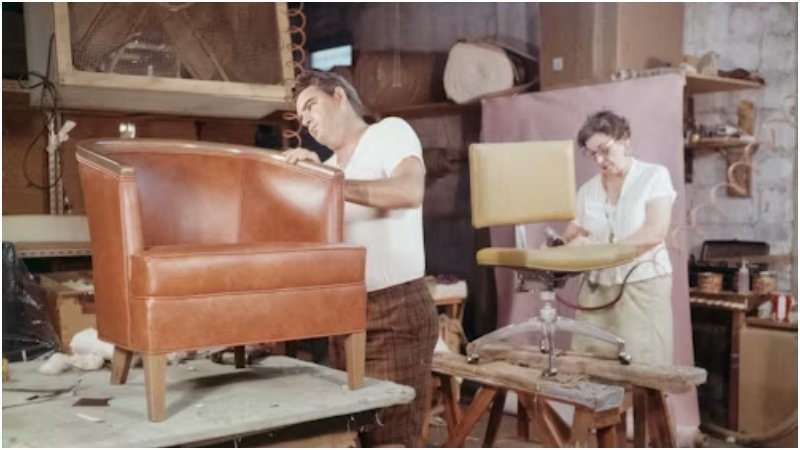
The word upholstered refers to the process of adding padding, springs, webbing, and fabric or leather coverings to furniture frames. This process not only improves comfort but also enhances durability and visual appeal.
Upholstery typically includes:
- A wooden or metal frame
- Springs or webbing for support
- Foam or padding for cushioning
- Fabric or leather outer covering
In simple terms, upholstered furniture is any seating or resting furniture that is soft, padded, and covered with a decorative material.
Types of Upholstered Furniture
Upholstered furniture comes in a wide variety of forms, each designed to serve specific functional and aesthetic purposes within interior spaces. From enhancing comfort to elevating interior design, different types of upholstered furniture are used in homes, offices, hotels, and commercial environments.
1. Upholstered Sofas
Upholstered sofas are the most common and widely used category of upholstered furniture. They serve as the central heating element in living rooms and lounges, combining comfort with visual appeal. These sofas are designed with soft padding, fabric or leather upholstery, and sturdy internal frames to ensure durability and comfort.
Common types of upholstered sofas include:
- Sectional sofas (modular and spacious seating arrangements)
- Recliner sofas (adjustable for maximum comfort)
- Chesterfield sofas (classic tufted design with luxury appeal)
- Loveseats (compact sofas designed for two people)
Upholstered sofas are valued for their versatility, making them suitable for both modern and traditional interior styles while offering excellent comfort for daily use and social gatherings.
2. Upholstered Chairs
Upholstered chairs are another essential category, designed to provide individual seating with enhanced comfort and style. These chairs are widely used in living rooms, bedrooms, offices, and reading corners.
Types of upholstered chairs include:
- Armchairs (supportive seating with padded arms)
- Lounge chairs (relaxed, deep seating for comfort)
- Accent chairs (decorative pieces that enhance room aesthetics)
- Recliners (adjustable chairs designed for relaxation and ergonomic support)
These upholstered seating options not only improve comfort but also act as decorative elements that complement the overall interior theme.
3. Upholstered Beds and Headboards
Upholstered beds, particularly upholstered headboards, have become increasingly popular in modern bedroom design. They add a sense of luxury, softness, and sophistication to sleeping spaces.
Key benefits of upholstered headboards include:
- Comfortable back support while sitting up in bed
- Elegant and luxurious appearance
- Enhanced insulation and noise reduction
- Wide range of fabric and design customization options
These features make upholstered beds a preferred choice in contemporary and luxury bedroom interiors.
4. Upholstered Dining Chairs
Upholstered dining chairs are commonly used in formal dining rooms and modern kitchen spaces. Unlike traditional wooden chairs, these provide added comfort during meals and long gatherings.
They are often designed with padded seats and backs, covered in fabric or leather materials to enhance both comfort and visual appeal. Upholstered dining chairs also help create a more refined and welcoming dining environment, especially in hospitality settings such as restaurants and hotels.
5. Ottomans and Upholstered Benches
Ottomans and upholstered benches are versatile furniture pieces that serve multiple functions in interior spaces. They can be used as seating, footrests, or even storage solutions depending on their design.
Key uses include:
- Extra seating in living rooms or bedrooms
- Decorative elements to enhance interior styling
- Hidden storage solutions in compact spaces
- Comfortable footrests for sofas and chairs
Their multifunctional nature makes them highly practical, especially in modern homes where space optimization is important.
Materials Used in Upholstered Furniture
The quality and durability of upholstered furniture depend heavily on the materials used.
1. Fabric Upholstery
Fabric is the most widely used material and comes in various types:
- Cotton (soft and breathable)
- Linen (natural and elegant)
- Polyester (durable and affordable)
- Velvet (luxurious and soft)
2. Leather Upholstery
Leather is known for its:
- Premium appearance
- Durability
- Easy cleaning
Types include:
- Genuine leather
- Faux leather (PU leather)
3. Foam and Padding
Foam determines comfort level:
- High-density foam: firm and long-lasting
- Memory foam: adapts to body shape
- Soft foam: more relaxed seating
4. Frame Materials
- Hardwood (oak, teak, maple) – strongest and most durable
- Softwood – lighter and cheaper
- Metal frames – modern and industrial designs
Benefits of Upholstered Furniture
Upholstered furniture is popular due to its numerous advantages.
1. Comfort
The biggest advantage is comfort. Padding and soft fabrics make seating more comfortable than wooden or metal furniture.
2. Aesthetic Appeal
Upholstered furniture enhances interior design with:
- Colors
- Patterns
- Textures
3. Versatility
It fits into various styles:
- Modern
- Classic
- Minimalist
- Luxury interiors
4. Customization
Users can choose:
- Fabric type
- Color
- Design
- Cushion firmness
5. Insulation and Noise Reduction
Soft surfaces reduce sound reflection, making rooms quieter.
Popular Upholstered Furniture Styles
1. Modern Minimalist
Clean lines, neutral colors, and simple designs.
2. Classic Traditional
Detailed stitching, rich fabrics, and wooden accents.
3. Scandinavian Style
Light colors, functionality, and natural materials.
4. Industrial Style
Leather upholstery combined with metal frames.
5. Luxury Style
Velvet fabrics, deep cushioning, and bold designs.
How to Choose Upholstered Furniture
Buying upholstered furniture requires careful consideration.
1. Purpose of Use
- Living room → durable and stylish sofa
- Bedroom → comfortable headboard
- Office → ergonomic upholstered chair
2. Fabric Type
Choose based on:
- Durability
- Maintenance
- Climate
3. Frame Quality
Always check:
- Solid wood or metal frame
- Strong joints and screws
4. Cushion Comfort
Test firmness and support before buying.
5. Color Selection
Neutral colors are versatile, while bold colors make a statement.
6. Budget
Higher price often means better durability and comfort.
Maintenance and Cleaning Tips for Upholstered Furniture
Proper maintenance and regular cleaning are essential to extend the life, appearance, and comfort of upholstered furniture. Since upholstered surfaces are made from fabric, leather, or synthetic materials, they can easily accumulate dust, stains, and wear over time. With the right care routine, you can keep your furniture looking new for years.
1. Regular Vacuuming
Regular vacuuming is one of the most effective ways to maintain upholstered furniture. Dust, dirt, crumbs, and pet hair can settle deep into fabric fibers if not cleaned frequently.
Using a soft brush attachment, gently vacuum all surfaces, including cushions, seams, and hidden corners. This helps prevent buildup of debris and maintains the freshness and hygiene of the furniture.
2. Spot Cleaning
Spills and stains should be treated immediately to prevent permanent damage. For most upholstered fabrics, a mild detergent mixed with water can be used for spot cleaning.
Blot the stain gently with a clean cloth rather than rubbing, as rubbing can spread the stain or damage the fabric’s texture. Always test the cleaning solution on a small hidden area first to ensure it does not affect the color or material.
3. Avoid Direct Sunlight
Exposure to direct sunlight over long periods can cause fading, discoloration, and weakening of upholstered fabric. This is especially important for brightly colored or delicate materials such as velvet or linen.
To protect your furniture, place it away from direct sunlight or use curtains, blinds, or UV-protective window films to reduce exposure. This simple step significantly increases the lifespan of upholstered pieces.
4. Rotate Cushions Regularly
Cushions and seating areas tend to wear unevenly due to frequent use. Rotating and flipping cushions regularly ensures an even distribution of pressure and helps maintain their shape.
This practice prevents sagging in specific areas and keeps the furniture looking balanced and well-maintained over time.
5. Professional Cleaning
In addition to regular home care, professional cleaning is recommended at least once or twice a year. Professional upholstery cleaners use specialized equipment and solutions to remove deep-seated dirt, allergens, and stubborn stains.
Common Problems with Upholstered Furniture
1. Stains and Spills
Fabric can absorb liquids quickly.
2. Fabric Fading
Sunlight exposure reduces color intensity.
3. Sagging Cushions
Occurs due to low-quality foam or long-term use.
4. Dust Accumulation
Requires regular cleaning.
Upholstered Furniture in Modern Interior Design
In contemporary interiors, upholstered furniture is not just functional but also a design statement. Designers use it to:
- Create focal points in rooms
- Add texture contrast
- Improve acoustic comfort
- Enhance luxury feel
Open-plan homes especially benefit from upholstered seating, as it helps define spaces visually and functionally.
Eco-Friendly Upholstered Furniture
Sustainability is becoming important in furniture manufacturing. Eco-friendly upholstered furniture uses:
- Recycled fabrics
- Organic cotton and linen
- Non-toxic adhesives
- Sustainably sourced wood
Consumers are now more conscious of environmental impact when choosing furniture.
Future Trends in Upholstered Furniture
The future of upholstered furniture is driven by innovation:
- Smart furniture with built-in charging ports
- Modular sofas that can be rearranged
- Anti-stain and waterproof fabrics
- AI-assisted interior customization
- Sustainable and recyclable materials
Conclusion
Upholstered furniture remains one of the most important elements in both residential and commercial interiors. Its combination of comfort, beauty, and versatility makes it a preferred choice worldwide. Whether you are designing a modern apartment or a luxury villa, upholstered furniture offers endless possibilities for customization and style.
By choosing the right materials, maintaining them properly, and aligning them with your interior theme, you can ensure long-lasting value and comfort.