
Key Takeaways
- Police challenge coins have evolved from military traditions to become symbols of honor and camaraderie in law enforcement.
- These coins serve various purposes, including recognizing achievements, commemorating milestones, and fostering unity among officers.
- Modern designs often incorporate unique elements that reflect the values and identity of specific police departments.
Origins of Challenge Coins
The tradition of challenge coins began during World War I, when they were introduced to reward heroism, build morale, and instill a strong sense of belonging among military units. Over decades, what started as simple medallions morphed into treasured keepsakes that carried deep personal and collective significance. Today, these traditions influence a variety of organizations, including police forces. Within law enforcement, police challenge coins bridge history, pride, and recognition for exceptional service. According to the U.S. Department of Defense, challenge coins have long been used to “instill unit pride, improve esprit de corps, and reward hard work and excellence.”
As military values of dedication, loyalty, and fellowship spread into civil service, the symbolic power of challenge coins gained traction. Law enforcement quickly adopted this practice, molded it to their needs, and expanded its role in building institutional pride and teamwork. The roots of challenge coins as tokens of belonging emphasize more than achievement. They represent a tangible connection to shared values and collective identity.
Adoption by Law Enforcement
As the practice moved from the battlefield to the police department, challenge coins found new purpose in recognizing dedication and achievements. Many police agencies now present these coins to officers for notable milestones, such as graduating from the academy, retiring, or accomplishing acts of bravery. As observed by the National Police Association, officers proudly use their coins to “prove their allegiance when challenged,” and display them as important tokens of accomplishment and pride within their organization.
This tradition not only rewards individual officers but also binds teams together with common experiences and values. Officers who receive challenge coins often carry them as a symbol of their commitment to uphold justice and serve the community. Over time, the coin has become an emblem of honor that links past and current generations of law enforcement.
Design Elements and Symbolism
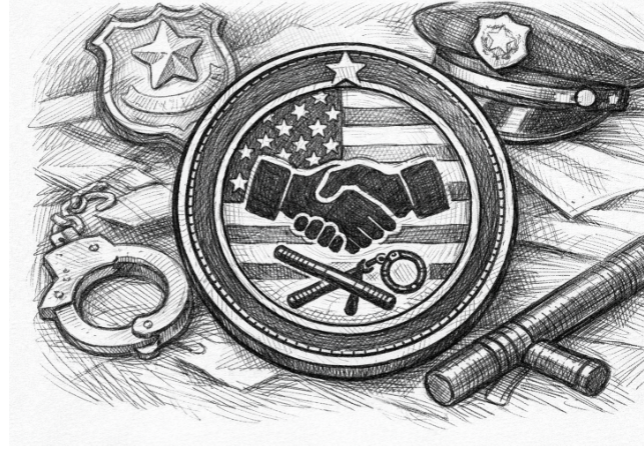
The designs of modern police challenge coins have evolved far beyond their simple origins. Today, these coins frequently feature detailed department insignias, meaningful mottos, and iconography representing the unique mission of their issuing agency. Internal elements such as the city skyline, the department’s shield, mottos like “Protect and Serve,” or individual officer IDs are often included to reinforce unity and pride.
Each aspect of a coin’s design carries intent. Department values, heritage, and even regional or community landmarks make frequent appearances to showcase the distinct identity of the force. As highlighted by Police1,
the design process itself can increase a sense of camaraderie as officers contribute ideas and see their department’s unique story reflected in the final product.
Commemorating Milestones and Achievements
Police departments award challenge coins to commemorate achievements such as academy graduations, successful completion of critical training, or key promotions. These coins are also given to honor acts of valor, such as saving lives or demonstrating courage under threat. For example, the Hillsborough County Sheriff’s Office presents a Chief Deputy Challenge Coin to deputies exhibiting outstanding dedication or heroic actions, acknowledging their extraordinary contribution.
The act of presenting a coin in front of peers is an important ritual. It is a visible, immediate acknowledgment that not only rewards effort but also sets a standard for others. This public recognition fosters a culture where service, loyalty, and bravery are celebrated and remembered within the ranks.
Fostering Camaraderie and Unity
Challenge coins play a vital role in strengthening relationships among officers. One popular tradition is the “coin check,” a playful test where officers challenge each other to produce their coin on the spot. Whoever is unable to do so might be required to buy the next round of coffees, but more importantly, participation reinforces a deep sense of brotherhood and shared responsibility.
These customs, rooted in military practice, create bonds that extend beyond the immediate team. The sense of unity, mutual respect, and collective purpose becomes a lived experience in daily interactions on and off duty. The practice of exchanging coins also enhances relationships between different departments or agencies, laying the foundation for collaboration and mutual support.
Collecting and Trading Challenge Coins
Collecting and trading challenge coins has become a favorite hobby among law enforcement personnel. Officers often trade coins during conferences, mutual aid assignments, or community events, enriching their personal collections and building networks that cross jurisdictional boundaries. These collections serve as tangible reminders of experiences, training, and partnerships built over the course of a career.
This culture of collecting coins not only highlights the breadth of the law enforcement community but also adds a personal touch to the job, allowing for the sharing of stories, memories, and lessons learned. The broader tradition of challenge coins across public service highlights the importance of both symbolic recognition and interpersonal connection.
Modern Trends and Customization
Technological advances in design and manufacturing now permit greater customization than ever before. Departments can produce coins featuring local landmarks, department mottos, or imagery representing significant historical events or figures. This customization captures the evolving spirit and changing demographics of law enforcement.
Personalized coins are sometimes created for specialized units, task forces, or significant anniversaries. The flexibility of design enables police departments to create unique tokens that reflect their distinct culture and mission, ensuring that each coin resonates deeply with both the giver and recipient.
Conclusion
The journey of police challenge coins from their military origins to cherished law enforcement symbols is a testament to their enduring power. They reinforce the values of service, bravery, and loyalty, mark milestones, and underpin team unity. As these coins evolve and their tradition spreads, they will continue to represent both individual achievement and the collective honor of all who serve and protect.


