
Key Takeaways
- Thunderstorms, lightning, heavy rain, wind, heat, and outages can all create electrical safety concerns at home.
- Seasonal checks can reveal damaged cords, overloaded circuits, weak outdoor protection, and other warning signs.
- Water exposure, panel damage, repeated breaker trips, and burning odors call for professional evaluation.
- A practical plan for storms and outages can help protect people, appliances, and essential home systems.
Rogers, AR homeowners know that Northwest Arkansas weather can change quickly. A hot afternoon can turn into a thunderstorm, and a severe-weather outage can leave a household relying on flashlights, battery packs, or a backup generator. Preparing the electrical system before the weather arrives is safer than trying to solve a problem while rain, heat, or darkness is already affecting the property. For electrical concerns that go beyond a basic visual check, electrician Rogers, AR, services from NWA C&S Electric offer local help with residential and commercial repairs, wiring, lighting, panel work, and upgrades. The company’s Rogers service page focuses on the needs of homes and businesses in the community, making NWA C&S Electric a relevant option when a property requires a professional assessment rather than a temporary workaround.
Why Rogers, Arkansas, Weather Can Affect Home Electrical Safety
Lightning can send damaging voltage through power lines, cable connections, and other paths into a home. Strong wind can damage service equipment or outdoor fixtures, while heavy rain can create hazards around exterior outlets, cords, and electrical equipment. Heat creates a different kind of strain because cooling equipment, refrigerators, fans, and other appliances may run longer and more often. Wet electrical equipment should always be treated carefully. Do not touch an outlet, appliance, panel, or extension cord if you are standing in water or if the equipment is visibly wet.
Electrical Checks To Complete Before Storm Season
- Look over power cords for cracks, fraying, pinched sections, loose plugs, or unusual warmth during use.
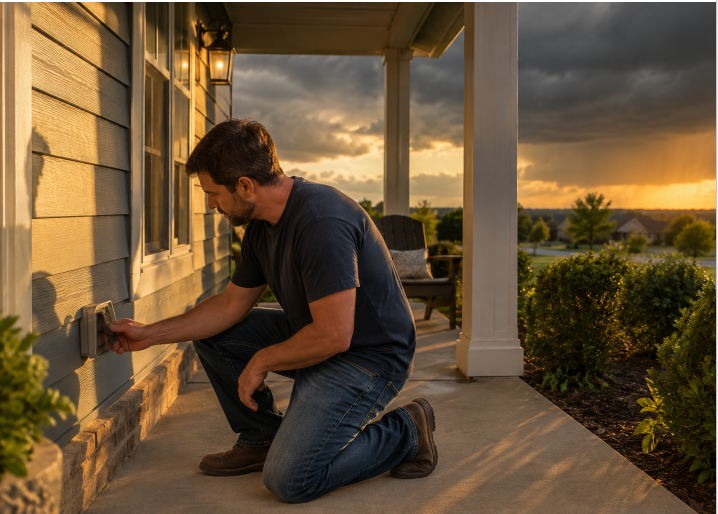
- Confirm that exterior outlets have intact weather-resistant covers and that outdoor light fixtures are secure.
- Keep extension cords away from standing water, damp grass, doorways, and walkways where they can be damaged.
- Test GFCI outlets in bathrooms, kitchens, garages, laundry areas, and exterior locations according to the device instructions.
- Keep the electrical panel accessible. Boxes, stored supplies, and furniture should not block a quick response to an emergency.
How To Reduce Lightning And Surge Damage
A power strip is not automatically a surge protector. A true surge protector is designed to limit some voltage spikes, but no plug-in device can guarantee protection from every event. During a nearby severe storm, unplugging sensitive electronics can provide an additional layer of protection when it can be done safely and before lightning is active. Homes with computers, televisions, networking equipment, smart appliances, or home office electronics may also benefit from consulting a qualified electrician about whole-home surge protection. Never handle cords, electronics, or electrical equipment during active lightning or while standing on a wet surface.
Summer Heat And Electrical Loads in Rogers, AR
When summer heat settles over Rogers, air-conditioning systems, portable fans, refrigerators, freezers, and dehumidifiers can increase a home’s electrical demand. Avoid running several high-wattage appliances from one circuit at the same time when possible. For example, a microwave, toaster oven, and portable heater should not compete for capacity on the same kitchen circuit. Repeated breaker trips are not a problem to solve by installing a larger breaker. Breakers are selected to protect the wiring they serve. Call for help if a breaker continues to trip, lights dim across multiple rooms, an outlet buzzes, a switch feels warm, a burning odor appears, or a cover plate becomes discolored.
What To Do After Water, Wind, or Lightning Damage
- Stay out of flooded rooms and away from fallen wires, sparking equipment, and visibly damaged panels.
- Contact the utility provider if the service line, meter area, or equipment connected to the utility appears damaged.
- Do not restore power to outlets, appliances, wiring, or panels affected by significant water until they have been evaluated.
- Photograph visible damage from a safe distance for insurance documentation.
- Have damaged electrical components inspected before returning them to service.
When a Homeowner Should Call an Electrician
Professional help is appropriate after lightning damage, water intrusion, panel damage, exposed wiring, failed outlets, frequent breaker trips, or persistent flickering. It is also wise to schedule an evaluation before a renovation that adds new appliances, lighting, office equipment, or cooling equipment to an older home.
Electrical Safety Tips for Older Rogers Homes
Older homes may have limited outlets, worn switches, aging wiring, or panels that were not designed for modern household demand. During upgrades, ask about grounding, circuit capacity, GFCI protection, and whether new dedicated circuits are appropriate. Two-prong outlet adapters should not be treated as a permanent replacement for properly grounded outlets. Keep records of electrical repairs, panel upgrades, inspections, and major appliance installations. Those details can help an electrician understand the home’s history and can be useful during future remodeling or a home sale.
Preparing for Power Outages
- Store flashlights, fresh batteries, portable phone chargers, and basic emergency supplies in a known location.
- Keep refrigerator and freezer doors closed as much as possible during an outage.
- Operate portable generators outdoors, well away from doors, windows, and vents.
- Never connect a portable generator to a wall outlet, a practice that can energize utility lines and create serious hazards.
- When power returns, check appliances and electronics carefully because a surge may have affected them.
A Simple Seasonal Electrical Checklist
- Spring: Inspect outdoor outlets, cords, landscape lighting, and equipment for storm-related damage.
- Summer: Watch for overloaded circuits, hot outlets, and heavy air-conditioning demand.
- Fall: Test smoke and carbon monoxide alarms, replace damaged cords, and prepare for indoor heating loads.
- Winter: Keep space heaters on stable surfaces, plug them directly into wall outlets, and avoid overloaded circuits.
Common Questions From Rogers Homeowners
Should a tripped breaker be reset?
A single trip can result from a temporary overload. If it trips again, or if heat, odor, buzzing, or visible damage is present, leave it off and have the circuit checked.
Can a wet appliance be used once it has dried?
Not necessarily. Drying may not reveal internal damage or contamination. Appliances exposed to floodwater or substantial water should be inspected before use.
Are power strips safe during storms?
Power strips add outlets, but they do not all provide surge protection. Sensitive electronics may need better protection or should be unplugged before severe weather arrives.
How often should smoke and carbon monoxide alarms be tested?
Test alarms monthly and replace batteries or the entire device according to the manufacturer’s instructions. Replace alarms that are damaged, outdated, or unreliable.
Small Checks Can Prevent Major Problems
Rogers homeowners do not need to wait for a storm, outage, or electrical failure to review household safety. Seasonal inspections, sensible electrical habits, and prompt professional attention when warning signs appear can reduce risk and help protect the people and equipment inside the home.
Conclusion
Electrical safety in Rogers, AR starts with preparation rather than waiting for a storm, outage, or electrical failure to expose a problem. Seasonal checks can help homeowners identify damaged cords, overloaded circuits, weak outdoor protection, and other warning signs before they become more serious. During severe weather, staying away from wet equipment, exposed wiring, and downed lines is essential, and generators and sensitive electronics should be handled in accordance with safe operating practices. Older homes may also require additional attention to wiring, grounding, circuit capacity, and electrical panels as household demands increase. When problems involve water exposure, panel damage, repeated breaker trips, burning odors, or persistent flickering, professional evaluation is the safer approach. With regular maintenance and a simple storm and outage plan, Rogers homeowners can better protect their homes, appliances, and household members year-round.