
Key Takeaways
- Begin with an inspection, not a product catalog or color selection.
- Address leaks, drainage, rot, and air gaps before adding new finishes.
- Choose windows and doors using performance labels, installation details, and maintenance needs.
- Plan siding, trim, flashing, gutters, and downspouts as one water-management system.
- Use a logical project sequence to avoid removing completed work later.
- Request detailed estimates that separate repair work from appearance upgrades.
Homeowners in Centreville, Virginia, often want exterior improvements that make their homes more comfortable while also enhancing their appearance. Whether the priority is replacing worn siding, managing runoff, or exploring bay and bow windows Centreville, VA, the strongest results come from looking at the whole exterior rather than treating each project as an isolated purchase. That approach matters in Northern Virginia, where summer humidity, seasonal rain, winter temperature swings, and tree debris can expose weak points around roofs, walls, windows, and foundations. A new window, gutter, or deck surface can be a worthwhile upgrade, but it will perform better when the surrounding flashing, drainage, framing, and air sealing are in sound condition.
Why Exterior Planning Matters
Your home’s exterior is a connected protective layer. Roofing sheds water, gutters carry it away, flashing redirects it at vulnerable intersections, siding protects wall assemblies, and windows and doors close openings in those walls. If one part fails, nearby materials can be affected. For example, overflowing gutters can wet fascia and siding, while a failed window seal or flashing detail can allow water into trim or wall cavities. Energy-smart planning focuses on five practical goals: maintaining indoor comfort, reducing unwanted heat loss or heat gain, controlling moisture, limiting routine maintenance, and protecting the useful life of exterior materials. This does not mean every homeowner needs to complete every project at once. It means each project should support the next one.
Begin With A Home Performance Check
Before asking for estimates, walk around the property and make a written list of visible concerns. Check for drafts near windows and exterior doors, condensation on interior glass, peeling paint, soft or stained trim, cracked caulk, loose siding, blocked gutters, standing water, and rooms that feel noticeably warmer or colder than others.
Areas To Check
- Window frames, door thresholds, and weatherstripping
- Siding joints, corners, penetrations, and trim boards
- Roof edges, kickout flashing, and areas around chimneys or vents
- Gutters, downspout connections, and discharge locations
- Foundation walls, soil grading, and signs of erosion
- Attic access points and crawl-space connections, when applicable
- Deck posts, stairs, railings, and the ledger connection at the house
A professional assessment can also help identify hidden air leaks and insulation gaps. The Department of Energy’s whole-house weatherization approach treats the building envelope and major home systems as connected parts, which is useful when deciding whether a repair, insulation upgrade, or replacement project should come first.
Fix Water And Air Problems First
Do not cover active problems with new finishes. Caulk and weatherstripping can reduce small air leaks, but they cannot correct rotted sheathing, failed flashing, a roof leak, or water that repeatedly collects near the foundation. Repairing those issues first helps protect new materials and makes estimates easier to compare.
Recommended Repair Order
- Repair roof leaks and damaged flashing.
- Correct gutter, downspout, and grading problems.
- Replace rotted trim, damaged sheathing, or compromised framing.
- Seal appropriate gaps around windows, doors, and utility openings.
- Add or improve accessible insulation where needed.
- Complete replacement and appearance-focused exterior work.
Choose Windows And Doors By Performance
When replacing windows or exterior doors, appearance is only one decision point. Ask about U-factor, solar heat gain coefficient, visible transmittance, air leakage ratings, frame material, glass options, and the installation method. The goal is a product suited to the opening, the home’s exposure, and the household’s comfort priorities. Use the window and door performance guidance from ENERGY STAR to understand climate-zone labels and compare certified products. ENERGY STAR notes that replacing single-pane windows with certified models can reduce household energy bills by up to 13 percent nationwide. However, actual savings vary with the existing windows, home design, local weather, energy costs, and installation quality.
Questions To Ask About Windows
- What U-factor and solar heat gain values apply to this exact product?
- How will the opening be flashed, insulated, and sealed?
- Does the glass option address glare, fading, or exterior noise concerns?
- What cleaning, painting, or maintenance does the frame require?
- What product and labor warranties are included in writing?
Coordinate Siding, Trim, And Flashing
Siding is not simply a decorative skin. It works with housewrap, flashing, trim, and drainage details to direct water away from the wall. When siding is replaced, ask how the contractor will inspect sheathing, integrate flashing around windows and doors, and address transitions near roofs, decks, and utility penetrations. Compare materials for moisture and impact resistance, expected maintenance, paint requirements, availability of replacement parts, compatibility with existing details, and appearance in different lighting conditions. The least expensive option can become costly if it requires frequent repainting or cannot be repaired easily after damage.
Improve Gutters And Downspouts
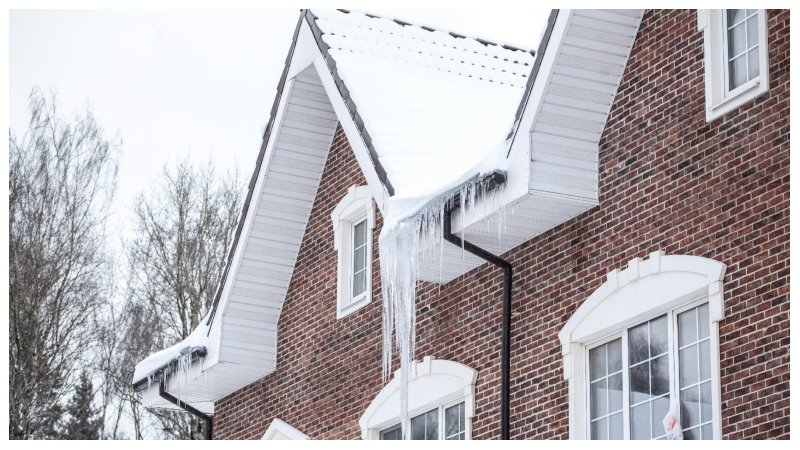
Roof runoff should move through clean, securely attached gutters and discharge away from the foundation. Watch for overflow during rain, sagging sections, separated joints, stains on siding, soil erosion, and water that pools near basement walls or walkways. Gutter work should be coordinated with fascia, soffit, siding, and landscaping repairs so water is not redirected toward another weak area.
Plan Decks And Outdoor Areas For Daily Use
Deck planning should account for drainage, shade, door access, privacy, stairs, railings, and traffic flow. Wood and composite products have different maintenance, surface-temperature, appearance, and repair considerations. Whatever material you choose, confirm that posts, fasteners, railings, and the house connection are suitable for long-term exposure to the elements.
Build A Realistic Budget And Project Sequence
Separate urgent repairs, energy improvements, appearance upgrades, and optional features. Request itemized estimates covering materials, labor, permits, disposal, cleanup, protection for landscaping and interior spaces, warranties, and an allowance for concealed damage if conditions cannot be confirmed until work begins. A practical sequence is to inspect first, repair roof and drainage issues, complete air sealing and insulation work, replace failing windows and doors, address siding and trim, finish gutters and grading, then add decks, paint, lighting, and decorative details. This order reduces duplicate labor and helps each upgrade support the next.
Final Checklist For A Smarter Exterior Upgrade
- Document drafts, leaks, condensation, and drainage concerns before requesting bids.
- Repair moisture problems before installing new finishes or insulation.
- Compare window and door ratings alongside installation details.
- Coordinate siding, trim, flashing, gutters, and downspouts.
- Confirm permit responsibilities, cleanup plans, warranties, and weather-delay procedures.
- Keep a reasonable reserve for hidden damage or necessary adjustments.
For Centreville homeowners, an energy-smart exterior upgrade is less about replacing everything at once and more about making each improvement count. A careful inspection, dependable water control, thoughtful air sealing, and well-sequenced work can create a more comfortable, durable, and manageable home.