
Have you ever looked around your home and wondered how you managed to accumulate so much? Clothes you rarely wear, kitchen gadgets gathering dust, and subscriptions you forgot you were paying for can all quietly drain your finances.
The idea of owning less is often associated with minimalism, but you don’t have to get rid of everything you own to benefit from it. Simply becoming more selective about what you buy and keep can change how you approach money.
Surprisingly, some of the biggest lessons have very little to do with decluttering.
The Difference Between Wanting and Needing
One of the most useful financial habits you can develop is learning to recognize the difference between something you genuinely need and something you simply want. It’s easy to justify an impulse purchase, particularly when there’s a discount involved. However, buying something because it’s on sale doesn’t necessarily mean you’re saving money.
Owning less encourages you to question purchases before making them. Will you use the item regularly? Does it solve a problem? Could you manage perfectly well without it? These questions can help prevent unnecessary spending without making you feel as though you’re constantly denying yourself.
Looking Beyond the Purchase Price
The cost of owning something doesn’t always end when you pay for it. Cars, for example, come with insurance, maintenance, registration fees, and fuel expenses. Even furniture and household belongings can create additional costs when you move.
Someone relocating across the country might discover that transporting everything they own costs considerably more than expected. Comparing removal services, selling unwanted furniture, and researching options to transport your car to and from Columbus can all become part of making financially sensible moving decisions.
Thinking about these ongoing expenses helps you understand the true cost of ownership.
Making Room for More Meaningful Financial Goals
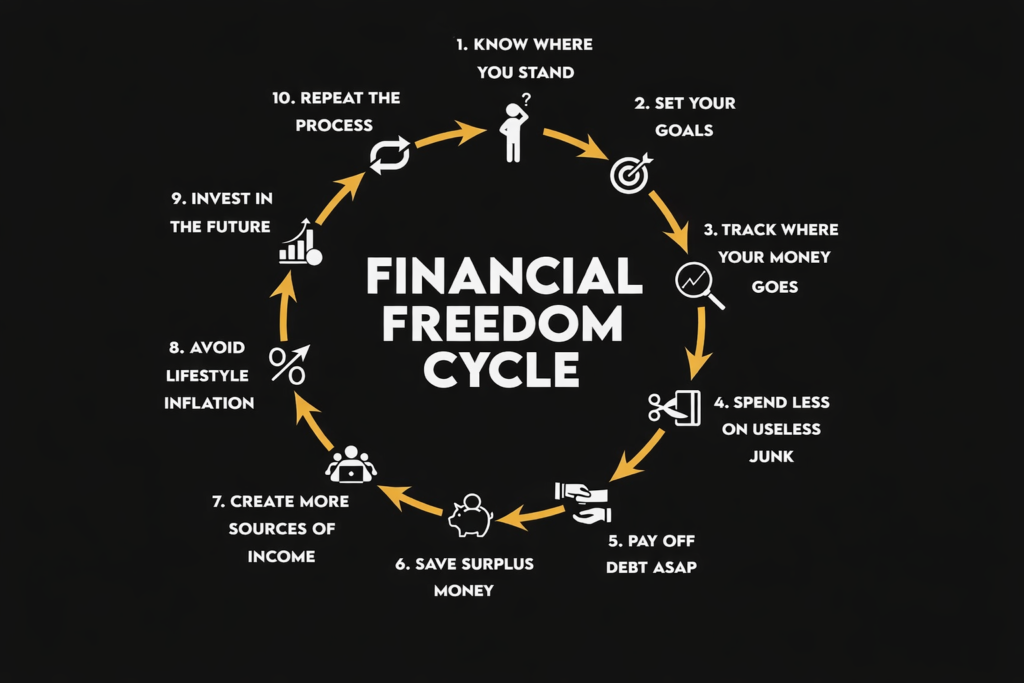
Every unnecessary purchase represents money that could have gone toward something else. That might mean building an emergency fund, paying down debt, or saving for a home.
Consider someone who spends $100 every month on purchases they rarely use. Redirecting that money into savings could leave them with an additional $1,200 after a year, before interest. The goal isn’t to stop enjoying your money. It’s to make sure your spending reflects what matters most to you.
Learning to Be Comfortable With Enough
There’s always another upgrade available, whether it’s a newer phone, a bigger television, or a more expensive car. However, constantly comparing what you own with what other people have can make it difficult to feel satisfied.
Choosing to own less can encourage a different mindset, where usefulness and personal satisfaction matter more than keeping up with the latest purchases.
This doesn’t mean avoiding quality products. Sometimes spending more on something durable that you’ll use for years makes better financial sense than repeatedly buying cheaper replacements.
Better Financial Decisions Start With Awareness
Owning less isn’t about living with the bare minimum. It’s about recognizing which possessions genuinely improve your life and which ones simply create additional expenses.
By becoming more intentional about purchases, considering long-term costs and prioritizing meaningful goals, you can develop healthier financial habits without making dramatic lifestyle changes.
Sometimes, improving your finances begins not with earning more money, but with taking a closer look at what you’re already spending.