
Key Takeaways
- Recognize the most common invasive pests in Chicago and their preferred entry points.
- Learn the type of damage each pest can cause to local homes and the environment.
- Adopt practical and effective prevention strategies specific to Chicago’s climate and housing styles.
Chicago’s vibrant neighborhoods and lush green spaces are not only attractive to residents but also draw a host of invasive pests. With the city’s mix of old and new homes, diverse tree species, and changing weather patterns, pest intrusions have become more than just a nuisance. Homeowners need to stay one step ahead to protect their property and health. If you want to learn more about professional prevention strategies, expert guidance is available.
The seasonal climate swings in Illinois, from humid summers to frigid winters, create perfect conditions for pests to seek shelter and survival indoors. Without proper awareness and regular inspection, a minor incursion can quickly lead to significant damage or even costly repairs.
Invasive insects not only compromise structural integrity and urban greenery but, in some cases, also pose serious health threats to families and pets. Timely intervention and community cooperation are critical in minimizing the spread and effects of these pests.
Understanding which species threaten Chicago homes and adopting proven prevention methods can save property owners from headaches and financial strain. Below is a local-friendly guide to the city’s top invasive pests and how to keep them at bay for a safer, more comfortable home.
1. Brown Marmorated Stink Bugs
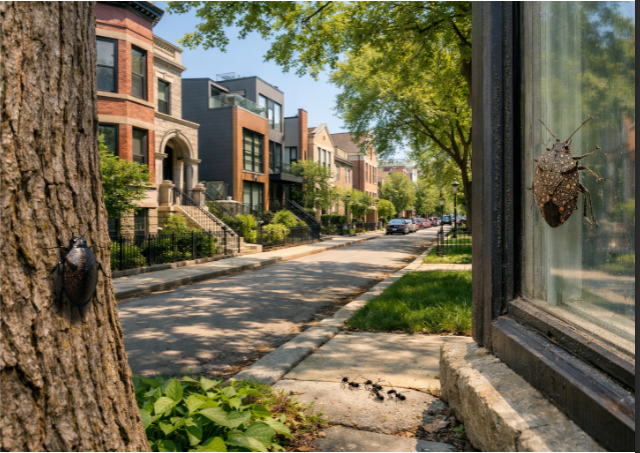
These shield-shaped insects first arrived in the Midwest two decades ago and have become a frequent fall visitor to Chicago homes. Notorious for their foul odor when crushed, brown marmorated stink bugs squeeze through the tiniest gaps, taking advantage of old window frames and loose siding typical in many of the city’s historic houses.
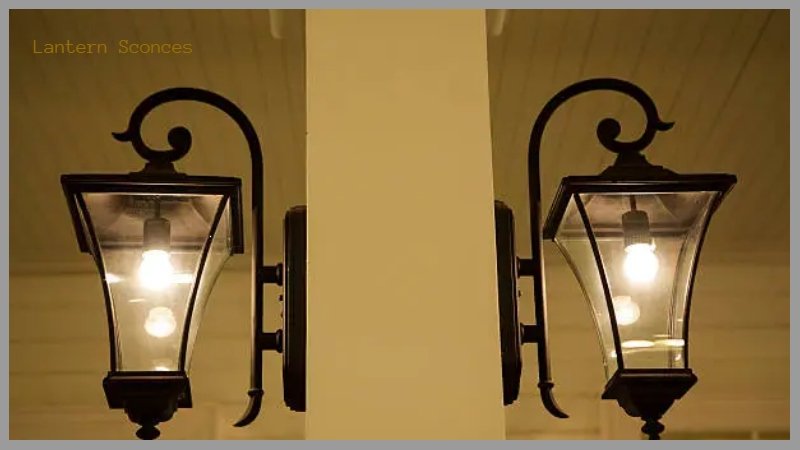
Sealing cracks around entry points, repairing window screens, and reducing outdoor lighting are key to minimizing their presence indoors each autumn.
2. Red Imported Fire Ants
While not yet rampant in Chicago, climate change and shifting weather patterns have made it possible for red imported fire ants to survive further north. These ants pose a danger due to painful stings, which can cause allergic reactions. Residents in neighborhoods bordered by parks and vacant land should stay vigilant, keep yards free from debris, and contact pest control if unfamiliar ant mounds appear.
3. Multicolored Asian Lady Beetles
Arriving in large swarms during the fall, these beetles resemble friendly ladybugs but can be a major problem indoors. Homeowners report clusters inside, staining walls, and triggering allergies. The best approach is to fix screens and seal all window and door gaps before temperatures drop, especially in high-rise and brick buildings common throughout Chicago. Reducing lighting at night also helps deter them from congregating near windows.
4. Spotted Lanternflies
While primarily damaging to plants and trees, spotted lanternflies could soon threaten Chicago’s extensive urban greenery. These insects excrete honeydew, attracting sooty mold and making patios, decks, and outdoor spaces unpleasant. The city recommends scraping eggs from trees and reporting sightings to agricultural networks. Keep up with local pest alerts to stay in the loop, as regional quarantine zones may apply.
5. Asian Longhorned Beetles
Chicagoans will recall the city’s costly ash and maple tree losses over the last two decades, many due to the Asian longhorned beetle. This pest bores deep into trunks and branches, spelling disaster for beloved parkway trees. Residents are urged to regularly inspect trees for round exit holes, sawdust piles, or dying limbs. Reporting suspected infestations can halt further destruction to Chicago’s tree canopy, an invaluable community resource.
6. Formosan Termites
Though still rare in the Midwest, these termites could arrive in Chicago due to shipping routes along Lake Michigan. Formosan termites create massive underground colonies, infesting walls, foundations, and woodwork. Keeping the home’s perimeter clear of mulch, woodpiles, and excess moisture is crucial. Annual termite inspections, especially for older homes in moist environments, add an extra layer of defense. For more information, refer to this National Geographic article.
7. Emerald Ash Borers
The emerald ash borer has decimated Chicago’s ash tree population, leaving bare blocks and public parks in its wake. Infestations are often hidden until too late when canopy dieback and bark splitting appear. Avoid transporting firewood, report symptomatic trees, and, where possible, treat valued specimens with professional-grade insecticides. The city often provides updates on local management programs to support residents and tree caretakers.
8. Kudzu Bugs
Increasingly found in Illinois, kudzu bugs are small but invasive, feeding on legumes and invading homes when temperatures drop. Like stink bugs, they emit an unpleasant odor and are more likely to infest buildings near green corridors or overgrown lots. Sealing entries and vacuuming up invaders are effective, but disposing of vacuum contents quickly prevents lingering odors indoors.
Conclusion
Chicago’s urban environment, lakefront winds, and unique housing stock combine to create opportunities for invasive pests. Staying watchful, upgrading home maintenance habits, and tapping into local resources, such as neighborhood pest alerts and professional services, equip homeowners to tackle these challenges head-on.
Proactive care will keep your slice of Chicago safe, secure, and free from unwelcome guests year-round.