Key Takeaways
- A successful bathroom balances visual appeal with comfort, safe movement, easy cleaning, and dependable moisture control.
- Warm colors, natural-looking materials, softer shapes, layered lighting, and personalized storage can make a bathroom feel current without making it feel temporary.
- The right tub, shower, or combination depends on room size, household routines, accessibility needs, and maintenance preferences.
- Safety details work best when they are included in the original plan rather than added after construction is complete.
- Planning layout, ventilation, waterproofing, and budget before choosing decorative finishes helps prevent expensive changes later.
Table Of Contents
- Why Bathroom Trends Matter
- Start With the Layout
- Bathtub, Shower, or Both?
- Build in Comfort and Safety
- Choose Materials That Work Hard
- Improve Lighting and Storage
- Plan the Budget Before Choosing Finishes
- A Simple Bathroom Remodeling Checklist
- Common Questions About Bathroom Updates
- Final Thoughts
A bathroom remodel should make daily routines easier, not simply change the room’s appearance. Before selecting a replacement fixture, compare the available bathtub options and learn more. A well-planned update can improve storage, lighting, cleaning, and comfort at the same time.
The most useful bathroom design ideas for 2026 are flexible rather than rigid. Warm neutrals, wood tones, textured surfaces, and spa-inspired details can all work, but the strongest choices are the ones that suit the people using the room every day.
Why Bathroom Trends Matter
Design trends can be helpful when they solve practical problems. A warmer palette may make a bright white room feel more inviting, while larger wall panels may reduce the amount of grout that needs regular cleaning. Curved mirrors, rounded fixtures, natural wood finishes, and layered lighting can soften a room full of hard surfaces.
Use these ideas as inspiration, not as requirements. A bathroom should fit the home’s overall style, the available budget, and the level of upkeep the household is willing to handle.
Start With the Layout
Layout decisions should come before tile, paint, or hardware. Measure wall lengths, ceiling height, windows, door swings, existing plumbing, and the clear paths needed to move through the room. A vanity drawer that blocks the doorway or a shower door that collides with a toilet can create daily frustration.
Consider whether the current locations of the sink, toilet, and bathing area are genuinely working. Keeping plumbing in place can simplify a project, while relocating drains or supply lines may add labor and coordination. Think ahead, too: a room that allows easier entry, wider circulation, and reachable storage can serve a household longer.
Bathtub, Shower, or Both?
When a Bathtub Makes Sense
A tub can be useful for households with young children, people who enjoy soaking, or homes where preserving at least one bathing tub is important. Built-in tubs often work efficiently in smaller rooms because the surrounding walls can support a shower enclosure and create ledges for bathing supplies. Freestanding tubs can create a focal point, but they need enough open space for comfortable access and cleaning.
When a Shower May Be Better
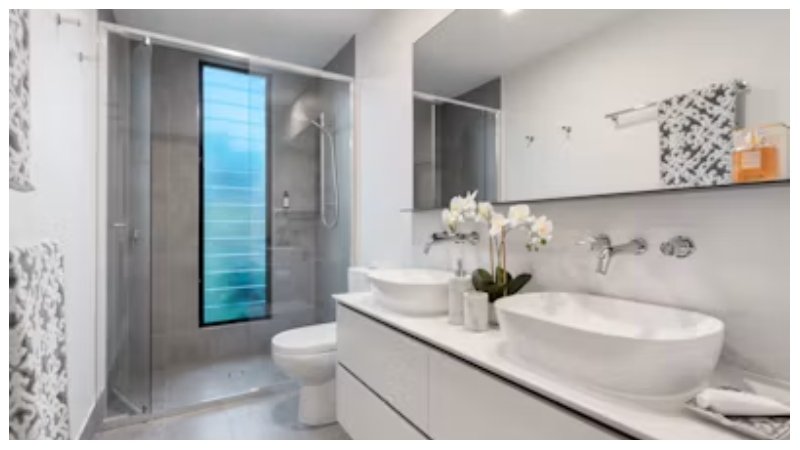
A shower may be the stronger choice in a compact bathroom or for users who want easier entry. A walk-in design can include a low threshold, a handheld showerhead, a recessed niche, and a built-in or fold-down seat. Choose a floor surface with slip resistance and make sure water is directed toward the drain.
When Keeping Both Is Worth Considering
A tub-shower combination remains a practical solution for many shared homes. It provides bathing flexibility without requiring separate zones. In a larger bathroom, a dedicated shower and a separate tub can work well when both fixtures will be used regularly.
Build in Comfort and Safety
Safety features do not have to make a bathroom look institutional. Grab bars are available in finishes that coordinate with faucets and hardware, and a properly placed bar can double as a towel bar only when it is specifically designed and installed for that purpose. The CDC includes bathroom grab bars, good lighting, and reduced slip and trip hazards among home safety measures that can support fall prevention for older adults.
- Use slip-resistant flooring in wet areas.
- Install bright, low-glare lighting near the vanity, shower, and toilet.
- Choose easy-to-reach controls and a handheld showerhead.
- Plan drawers, doors, and shower doors so they do not block clear movement.
- Consider anti-scald controls or temperature-limiting fixtures where appropriate.
Choose Materials That Work Hard
Bathroom finishes should be compared for moisture resistance, cleaning needs, durability, and repair options. Porcelain tile is widely used for floors and walls, while large-format panels can create a cleaner look with fewer grout lines. Acrylic shower and tub surfaces are often simple to wipe down. Natural stone adds variation and character but may require sealing and more careful maintenance.
Before making a final selection, ask whether the surface will show water spots, need frequent sealing, trap dirt in grout, scratch easily, or be difficult to replace later. A modest material that is easy to maintain can be a better long-term choice than a high-maintenance finish that looks appealing only at installation.
Improve Lighting and Storage
Layered lighting makes a bathroom more functional. Use general ceiling lighting for overall visibility, task lighting around the mirror for grooming, and softer accent lighting for a calmer atmosphere. Side lighting or lighting placed around a mirror can reduce harsh shadows on the face.
Storage should support the way the room is used. Deep vanity drawers, medicine cabinets, recessed shower niches, wall shelves, and drawer organizers can keep daily items close without leaving counters crowded. Good ventilation deserves equal attention because bathrooms produce moisture during normal use. The Environmental Protection Agency advises using bathroom exhaust fans that vent outdoors to help control moisture and reduce conditions that can support mold growth.
Plan the Budget Before Choosing Finishes
A complete budget includes more than fixtures and tile. Set separate allowances for demolition, plumbing, electrical work, waterproofing, ventilation, permits, labor, delivery, cleanup, and repairs found after walls or floors are opened. Keep a contingency reserve for hidden leaks, damaged subflooring, or outdated wiring.
Prioritize items that are difficult to change later, including waterproofing, drainage, ventilation, lighting placement, and plumbing connections. Save on details that can be updated more easily, such as paint, mirrors, towels, and cabinet pulls.
A Simple Bathroom Remodeling Checklist
- List the current room’s problems, including leaks, poor storage, bad lighting, or difficult access.
- Measure the room and identify plumbing, windows, doors, and clear walking paths.
- Choose the main priority, such as comfort, access, storage, appearance, or resale flexibility.
- Sketch two or three layouts before selecting finished materials.
- Choose durable surfaces that match the room’s moisture exposure and cleaning needs.
- Plan ventilation, lighting, outlets, and safety features before walls are closed.
- Confirm the budget includes labor, permits, delivery, cleanup, and a reserve for surprises.
Common Questions About Bathroom Updates
Should a Bathroom Follow Every 2026 Trend?
No. Choose ideas that improve how the room feels and functions. A warm paint color, better lighting, or natural texture can add personality without committing the entire room to a short-lived look.
What Is the Easiest Bathroom Surface to Clean?
There is no single best material for every room. Smooth surfaces, fewer grout lines, reliable ventilation, and a realistic cleaning routine usually matter more than one specific finish.
How Can a Bathroom Feel Better Without a Full Remodel?
Replace harsh lighting, improve storage, update a mirror, add a handheld showerhead, refresh hardware, and use warmer paint or textiles. These changes can improve everyday comfort without moving plumbing or replacing every surface.
Final Thoughts
The strongest bathroom plans for 2026 focus on everyday use. Start with a layout that works, choose a tub or shower arrangement that matches the household, account for safety and moisture control, and invest in durable essentials before decorative extras. The result can feel current, personal, comfortable, and ready for years of daily routines.