
Modernizing Home Climate and Electrical Systems for Maximum Efficiency
Achieving optimal comfort and energy efficiency in our homes in October 2026 demands a holistic approach to both climate control and electrical systems. For many Australian households, heating and cooling can consume a significant portion of energy—ranging from 20% to a staggering 50% of total home energy use. This substantial energy consumption highlights why modernizing these interconnected systems is not just about comfort, but also about significant cost savings and environmental stewardship. A whole-home approach ensures that every component works in harmony, from the insulation in your walls to the smart panel managing your electrical loads, creating a truly efficient and comfortable living space.
Core Components of Whole-Home Heating and Cooling
At the heart of any effective home climate system are its heating and cooling components. Today, advanced technologies like air-source heat pumps are revolutionizing how we think about thermal comfort. Unlike traditional furnaces that generate heat or air conditioners that simply remove it, heat pumps efficiently transfer heat from one place to another. This innovative mechanism allows them to achieve impressive efficiencies, often ranging from 300% to 600% for electric reverse-cycle air conditioners available on the Australian market. This means for every unit of electricity consumed, they can produce three to six units of heating or cooling energy. Many modern heat pumps also feature variable-speed compressors, which can precisely adjust their output to meet demand, leading to more consistent temperatures and reduced energy waste compared to older, single-speed units.
Efficient ductwork distribution is equally critical, ensuring that conditioned air reaches every corner of your home without significant loss. When evaluating new systems, homeowners should consider industry-standard efficiency ratings. For cooling, the Seasonal Energy Efficiency Ratio (SEER) or its updated version, SEER2, measures efficiency over an entire cooling season. For heating, the Annual Fuel Utilization Efficiency (AFUE) rates how efficiently a furnace converts fuel into usable hat. By understanding these metrics, we can make informed decisions about system upgrades.
To further illustrate the choices available, consider the following comparison:
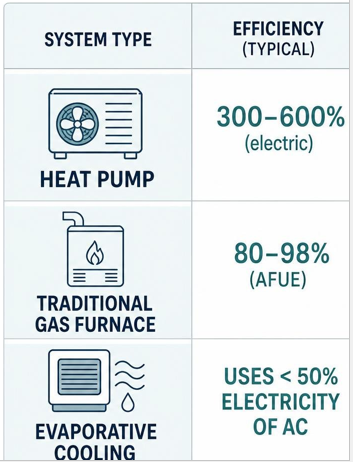
System Type Efficiency (Typical) Operating Costs (Relative) Environmental Impact (Carbon) Heat Pump 300-600% (electric) Low to Moderate Low (electric) Traditional Gas Furnace 80-98% (AFUE) Moderate High (fossil fuel) Evaporative Cooling Uses < 50% electricity of AC Very Low Low (high water use) While heat pumps offer exceptional efficiency and a lower carbon footprint, traditional gas furnaces remain a common choice in some regions. Evaporative coolers, though highly energy-efficient in dry climates, can consume a significant amount of water (up to 25 litres per hour), which is a factor to consider.
Air Quality, Filtration, and Energy Recovery Ventilation
Beyond temperature, the quality of the air we breathe indoors profoundly impacts our health and comfort. A comprehensive home climate system extends to managing indoor air quality (IAQ). Energy Recovery Ventilators (ERVs) and Heat Recovery Ventilators (HRVs) play a vital role here, especially in tightly sealed, energy-efficient homes. These systems introduce fresh outdoor air while recovering a significant portion of the energy from the outgoing stale air, preventing energy loss that would occur with simple window ventilation. HRVs are typically more suitable for colder climates where heat recovery is paramount, while ERVs are ideal for mixed climates as they also manage humidity transfer.
Effective air filtration is another cornerstone of good IAQ. MERV (Minimum Efficiency Reporting Value) ratings indicate a filter’s ability to capture airborne particles. Higher MERV ratings mean better filtration, trapping more dust, pollen, pet dander, and even some bacteria and viruses. Regular filter replacement is crucial; standard filters often need changing monthly, while high-quality pleated filters might last up to three months, depending on household conditions. Humidity management, through whole-house humidifiers or dehumidifiers, further contributes to a comfortable and healthy indoor environment, preventing issues like dry skin, static electricity, or mold growth. For those seeking to optimize their indoor climate and ensure superior air quality, consulting with providers of expert HVAC solutions can offer tailored strategies and cutting-edge equipment to meet specific home needs.
Upgrading Electrical Infrastructure for Full Electrification
As we embrace modern, energy-efficient technologies like heat pumps, electric vehicle (EV) chargers, and induction cooktops, the demands on our home’s electrical infrastructure are rapidly increasing. This shift towards electrification often necessitates a re-evaluation of our existing electrical systems, particularly the main service panel. Older homes, especially those built before the 1980s, frequently have 100-amp panels or less, which may not be sufficient to safely power today’s high-draw appliances simultaneously.
Upgrading the electrical panel and service capacity is a critical step in preparing a home for full electrification and integration with renewable energy sources. This modernization ensures that the home can handle increased amperage requirements without tripping breakers or creating safety hazards. It also paves the way for advanced features like microgrid integration, where solar panels, battery storage, and smart controls work together to create a more resilient and energy-independent home.
Assessing Current Home Climate and Electrical Systems Capacity
The journey to an electrified home often begins with a thorough assessment of your current electrical service. Many older homes were designed for a different era, when fewer high-power appliances were common. A 100-amp panel, once standard, can quickly become a bottleneck when adding a heat pump, an EV charger, or even multiple high-efficiency appliances. Studies indicate that upgrading a house’s circuit breaker panel or electrical service can cost between $2,000 and $10,000 for a typical U.S. household, making it a significant investment.
This assessment should go beyond just the main panel, considering the service feeders, wiring, and outlets throughout your home. For homes transitioning to electric heating, especially those moving from fossil fuels (dual-fuel transitions), accurate electrical load calculations are essential to determine if a 200-amp upgrade or even higher capacity is needed. Overlooking this step can lead to frequent breaker trips, system inefficiencies, and even fire hazards. Consulting with professionals who specialize in residential electrical services can provide a detailed analysis of your home’s current capacity and recommend the necessary upgrades to safely support your electrification goals.
Integrating Solar Panels and Battery Energy Storage
The true potential of an electrified home is unlocked when paired with renewable energy sources like solar panels and battery storage. Photovoltaic (PV) arrays on your roof capture sunlight and convert it into electricity, significantly reducing your reliance on the grid and lowering energy bills. However, solar generation is intermittent; it’s highest during the day when demand might be lower.
This is where lithium battery storage systems become invaluable. They store excess solar energy generated during peak sunlight hours, making it available for use during the evening, on cloudy days, or during grid outages. This integration enables time-of-use (TOU) optimization, where you draw power from your batteries when grid electricity rates are highest and recharge them when rates are low or when solar production is abundant. The EcoFlow Smart Home Panel 3, for instance, can switch from grid to battery in under 20 milliseconds, providing seamless backup power. This not only enhances grid resilience but also offers a degree of energy independence, allowing your home to operate partially or entirely off-grid during emergencies.
Intelligent Climate Automation and Load Management
In the modern home, “smart” technologies are transforming how we manage energy, offering unprecedented levels of comfort and efficiency. Intelligent climate automation and load management systems move beyond simple on/off controls, employing sophisticated algorithms and real-time data to optimize energy use. These systems can dynamically adjust automated setpoints, respond to demand response signals from utilities, and route energy to where it’s needed most through circuit-level control. The goal is to maximize comfort while minimizing energy consumption and costs.
Smart Thermostats and Multi-Zone Climate Controls
Smart thermostats are a cornerstone of intelligent climate automation. These devices go beyond programmable schedules, learning household patterns, occupancy habits, and even local weather forecasts to automatically adjust temperatures. This proactive approach can reduce heating and cooling energy use by up to 10%. Features like remote temperature monitoring via smartphone apps provide convenience, allowing us to adjust settings from anywhere.
For homes with varying temperature needs across different areas, multi-zone climate controls are a game-changer. By installing motorized zoning dampers in ductwork, different areas (or “zones”) of a home can be heated or cooled independently. This means you can keep the bedrooms cooler at night while maintaining a comfortable temperature in the living areas, preventing temperature imbalances between floors or rooms. Occupancy sensors can further enhance efficiency by automatically adjusting temperatures in unoccupied zones, ensuring energy isn’t wasted conditioning empty spaces.
Smart Load Management for Home Climate and Electrical Systems
One of the most significant challenges in electrifying older homes is the limitation of existing electrical panels. However, innovative smart load management systems are emerging as a powerful solution to avoid costly panel upgrades. These systems use advanced algorithms, often based on model predictive control, to dynamically manage the power draw of high-power appliances like heat pumps, EV chargers, and electric water heaters.
Instead of simply shedding non-essential loads, these controllers can intelligently prioritize circuits and temporarily adjust appliance setpoints to keep the total current draw within the safe limits of an existing panel. For example, a smart controller successfully kept the peak current draw of a fully electrified home within the safe region of a 100-amp panel for over a month of testing, avoiding five potential breaker trips during an extremely cold period. This technology allows homeowners to enjoy the benefits of electrification without the expense and disruption of a full panel upgrade. Products like the EcoFlow Smart Home Panel 3 exemplify this, offering 32 independently controlled circuits and AI-driven time-of-use management to optimize energy flow and potentially save thousands annually.
Optimizing the Building Envelope and System Maintenance
Even the most advanced climate and electrical systems will struggle to perform efficiently if the building itself is not optimized. The “building envelope”—the physical barrier between the conditioned interior and the unconditioned exterior—plays a crucial role in thermal efficiency. Investing in a robust building envelope and adhering to a rigorous maintenance schedule for your systems are foundational steps to maximizing comfort, minimizing energy waste, and extending the lifespan of your equipment.
Air Sealing, Insulation, and Passive Thermal Efficiency
A well-sealed and insulated home acts like a high-performance thermos, retaining heat in winter and keeping it out in summer. Air sealing, through weatherstripping around doors and windows, caulking gaps, and sealing ductwork, prevents conditioned air from escaping and unconditioned air from entering. This alone can significantly reduce the workload on your HVAC system.
Proper insulation in the attic, walls, and floors is equally vital. For example, upgrading attic insulation can dramatically reduce heat transfer through the roof. Beyond insulation, passive thermal efficiency strategies include exterior shading, such as awnings or deciduous trees planted to block summer sun while allowing winter warmth. High-performance window glazing also minimizes heat transfer. Each degree of extra heating in winter or cooling in summer can increase your energy use by 5% to 10%, underscoring the importance of a tight building envelope. Thermal imaging audits can pinpoint areas of heat loss or gain, guiding targeted improvements.
Essential Maintenance and Early Warning Signs of HVAC Issues
Regular maintenance is not merely a recommendation; it’s a necessity for ensuring the longevity and efficient operation of your home climate and electrical systems. With proper care, most HVAC systems can operate for fifteen to twenty years. Bench testing has shown that common faults in HVAC systems can lead to energy losses between 14% and 20% on average, highlighting the financial impact of neglect.
Here are critical seasonal maintenance tasks and warning signs to watch for:
- Filter Replacement: Change air filters regularly, ideally every month to three months depending on usage, to ensure unrestricted airflow and maintain indoor air quality.
- Professional Tune-ups: Schedule professional HVAC inspections at least twice a year, typically before the heating and cooling seasons, to check refrigerant levels, clean coils, inspect electrical connections, and calibrate thermostats.
- Ductwork Inspection: Ensure ductwork is clean and free of leaks. Blocked or leaky ducts can significantly reduce system efficiency.
- Electrical Panel Checks: Periodically inspect your electrical panel for signs of wear, corrosion, or burnt wires. Breaker testing ensures they trip safely when overloaded.
- Warning Signs of HVAC Issues:Unusual Noises: Grinding, squealing, or banging sounds often indicate mechanical problems.
- Uneven Temperatures: Some rooms being too hot or cold can point to duct issues, zoning problems, or a failing system.
- Rising Energy Bills: A sudden spike in energy consumption without a change in usage patterns can signal an inefficient or faulty system.
- Poor Airflow: Weak airflow from vents suggests blockages or fan issues.
- Frequent Cycling: Your system turning on and off too frequently might indicate improper sizing or a thermostat problem.
Addressing these issues promptly can prevent minor problems from escalating into costly repairs and ensure your systems operate at peak efficiency.
Frequently Asked Questions About Home Climate and Electrical Systems
How do heat pumps compare to traditional furnaces and air conditioners in efficiency?
Heat pumps are significantly more efficient than traditional furnaces and air conditioners because they operate by transferring heat rather than generating it (in the case of furnaces) or solely removing it (in the case of ACs). This heat transfer mechanism allows them to achieve a high Coefficient of Performance (COP), meaning they produce more energy in heating or cooling than they consume in electricity. Electric reverse-cycle air conditioners, which are essentially heat pumps, can range from 300% to 600% efficient. In contrast, even high-efficiency gas furnaces typically max out at around 98% AFUE (Annual Fuel Utilization Efficiency). This operational energy saving translates directly into lower utility bills and a reduced carbon footprint, making heat pumps a superior choice for many modern homes.
Can I electrify my heating and cooling without upgrading a 100-amp electrical panel?
Yes, it is increasingly possible to electrify your home’s heating and cooling systems without undertaking a costly 100-amp electrical panel upgrade. This is achieved through advanced smart load controllers and dynamic load shedding technologies. These systems use sophisticated algorithms, often combining predictive modeling with real-time monitoring, to manage the power consumption of high-draw appliances like heat pumps, electric water heaters, and EV chargers. By dynamically adjusting setpoints or temporarily prioritizing circuits, they can ensure that the total current draw never exceeds the safe limits of your existing panel. Field studies have demonstrated that such controllers can successfully maintain operation within a 100-amp panel’s capacity, even during extreme weather conditions, effectively avoiding the need for a $2,000 to $10,000 panel upgrade.
How often should HVAC and electrical systems receive professional maintenance?
For optimal performance, efficiency, and longevity, we recommend bi-annual professional maintenance for your HVAC system—ideally once before the heating season and once before the cooling season. These tune-ups typically involve checking refrigerant levels, cleaning coils, inspecting electrical connections, and calibrating thermostats. For electrical systems, a professional inspection of your electrical panel every few years, or immediately if you notice any issues like flickering lights or frequently tripping breakers, is prudent. Regular breaker testing and ensuring proper filter maintenance cycles (changing filters every 1-3 months) are also critical homeowner tasks that complement professional servicing. This proactive approach helps detect potential problems early, prevents costly breakdowns, and ensures your systems operate safely and efficiently.
Conclusion
The journey to an energy-efficient, comfortable, and future-ready home is an integrated one, blending advanced climate control with intelligent electrical systems. By embracing a whole-home perspective, we can move beyond isolated fixes to create living spaces that are not only perfectly comfortable but also remarkably sustainable and resilient. From the high efficiency of modern heat pumps and the enhanced air quality provided by ERVs, to the grid resilience offered by solar and battery storage, and the preventative power of smart load management, every component plays a vital role.
As we look towards October 2026 and beyond, prioritizing decarbonization and long-term operating cost reduction through integrated energy planning is paramount. This guide has illuminated the path to achieving whole-home resilience, ensuring your residence is prepared for future energy demands and environmental challenges. By understanding these systems and making informed choices, we can transform our homes into havens of efficiency, comfort, and sustainability.